
Government takes action on problem plastics
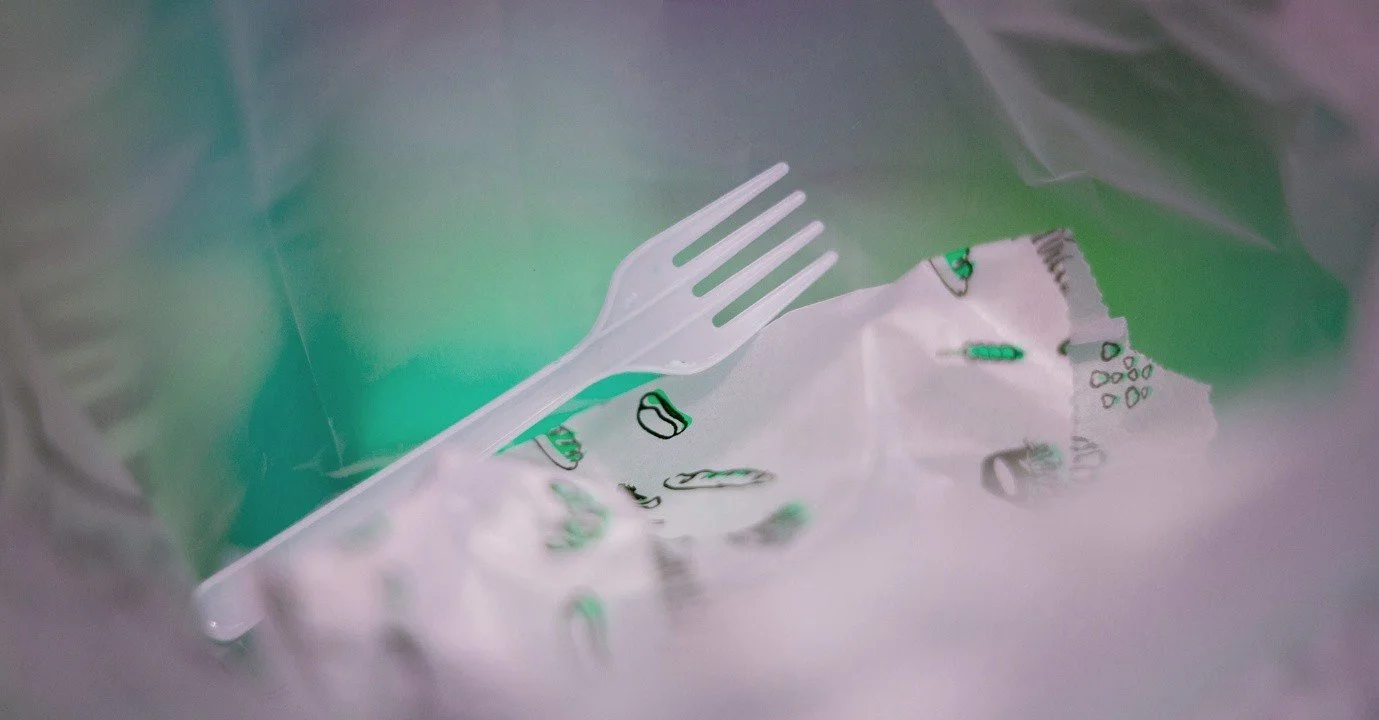
Environment Minister, Hon David Parker, released an article on 27/06/2021 which described the government’s plan to phase out some single-use plastics by July 2025.
Tadpole’s summary of the changes coming our way
New Zealand is a high generator of waste. Kiwis throw away an estimated 159 grams of plastic waste per person, daily.
There is strong support from businesses and the public for change, particularly around plastic use.
The NZ Government is moving the country to a low waste, low emissions circular economy and has promised to phase out problem plastics and single-use plastics by July 2025.
The purpose of elimination is to improve the environment and the amount of waste going to landfill (which pollutes soil, waterways and the ocean).
The phase-out will take place in three stages, commencing late 2022. Plastics to be banned are:
Hard to recycle food and drink packaging made from PVC and polystyrene and some degradable plastic products, e.g. oxo and photo degradable objects;
Single-use plastic items, e.g. cotton buds, bags, plates, cutlery, fruit labels.
Further work is needed to reduce single-use cups, wet wipes, plastic straws and some expanded polystyrene items. The Government will work with industry and other stakeholders to develop a plan and likely advise next steps in 2022.
What to expect
Plastics will be phased-out under Section 23(1)(b) of the Waste Minimisation Act 2008 in three stages:
Late 2022: PVC meat trays, polystyrene takeaway packaging, EPS grocery packaging, degradable plastic products, plastic drink stirrers, plastic stemmed cotton-buds;
Mid 2023: Single-use plastic produce bags, plastic tableware (plates/bowls/cutlery), plastic straws, non-compostable produce labels;
Mid 2025: All other PVC and polystyrene food and beverage packaging.
What can you do?
Find reusable options such as recyclable plastic or paper-based containers for use in your business or home.
If appropriate options aren’t available, innovate. Ideas regarding the manufacture, use and disposal of plastics are being supported by the $50 million Plastics Innovation Fund.
Click here to view the original article or for more information from the Ministry for the Environment website.